Safari Blog
Are Gorillas Primates?

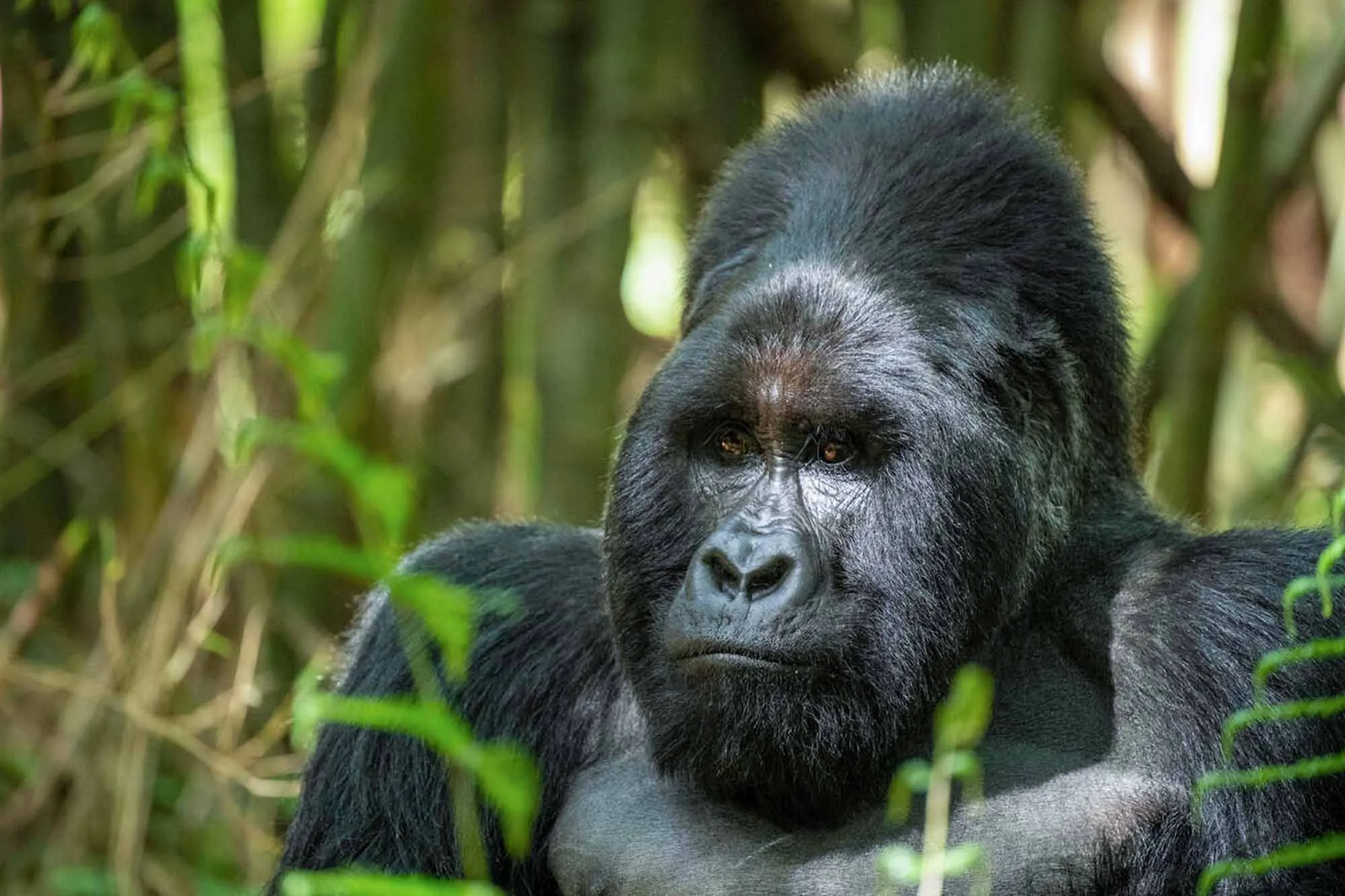
Gorillas Are The Largest Living Primates
Imagine a creature towering over the tallest human, with immense strength in its massive arms, yet eyes that hold a surprising gentleness. This is the gorilla, a magnificent primate of Africa’s dense rainforests. Yes, gorillas are indeed primates! They are part of a group of mammals known for their intelligence (according to Science Direct), hands and feet designed for grasping, and forward-facing eyes. Gorillas, in particular, are the largest primates on Earth and are classified as apes, not monkeys.
In this article, we’ll explore the fascinating world of primates, learn what makes gorillas so unique, and discover the wild places they call home.
What are Primates?
The gorilla is just one fascinating member of a much larger group of animals called primates. But what exactly makes a primate a primate? Here’s a simple breakdown:
- Mammals: Primates are mammals, meaning they have fur or hair, give birth to live young, and nurse their babies with milk.
- Hands for grasping: Primates are famous for their hands and feet specially designed for grasping. They have flexible fingers and opposable thumbs (or big toes) that can grip branches, tools, and food.
- Eyes that see ahead: Unlike many other mammals, primates have forward-facing eyes. This allows for better depth perception, which is helpful for judging distances when swinging through trees or hunting for food.
- Big Brains: Primates have larger, more complex brains relative to their body size than most other mammals. This supports their advanced intelligence, problem-solving abilities, and complex social lives.
The Primate Family Tree
Gorillas aren’t the only primates! Other primates you might know include:
- Monkeys: With their long tails and playful nature, monkeys are a diverse group of primates found all over the world. Like other primates, they have grasping hands and feet, forward-facing eyes, and relatively large brains.
- Great Apes: Chimpanzees, bonobos, and orangutans are our closest living relatives. They share even more similarities with humans, like large brains, complex social behaviors, and the ability to use tools.
- Humans: Believe it or not, we humans are also primates! We possess the defining primate characteristics of grasping hands, forward-facing eyes, and exceptionally large, complex brains.
Gorillas are not monkeys; they’re the largest living apes.
Gorillas command respect with their sheer size and power and are the largest living apes. Here’s what sets them apart:
- Size and strength: Gorillas are the largest living primates. A full-grown male gorilla can weigh up to 450 pounds and stand over 6 feet tall when on its hind legs! Their massive shoulders and powerful arms can effortlessly move objects many times their weight.
- They are great apes, not monkeys: Gorillas are classified as apes, not monkeys. Apes generally have larger bodies, no tails, and more complex brains compared to monkeys, which means they are even more closely related to humans.
- There are two main types: There are two main species of gorillas, each with fascinating adaptations:
- Eastern gorillas: Eastern gorillas are found in Central Africa’s rainforests. There are two subspecies: the mountain gorilla, known for its thicker fur in cold altitudes, and the eastern lowland gorilla, the largest of all gorilla subspecies.
- Western gorillas: Live in the forests of West Africa. There are two subspecies: the Western lowland gorilla, commonly seen in zoos, and the Cross River gorilla, the most critically endangered of all.
- They are strictly vegetarian: While incredibly strong, gorillas are primarily herbivores. Their diet consists mostly of leaves, fruit, and other vegetation, sometimes supplemented by insects.
Where Do Gorillas Live?
Gorillas have a very specific home – the lush tropical forests of equatorial Africa. They are found in two distinct regions:
- The Forests of Central Africa: Eastern gorillas inhabit the mountainous rainforests along the borders of Uganda, Rwanda, and the Democratic Republic of Congo.
- West Africa: Western gorillas live in the rainforests of countries like Gabon, Cameroon, and the Republic of Congo.
- They live in fragile habitats: Unfortunately, gorilla habitats are shrinking due to human activities like deforestation and agriculture, which is one of the main reasons why many gorilla populations are endangered.

Encounter Wild Gorillas in East Africa: An Unforgettable Bucket List Adventure.
Join these customizable gorilla trekking tours.
Mountain Gorillas of East Africa
Mountain gorillas are a unique and endangered subspecies of eastern gorillas found in the high-altitude forests of East Africa. Here’s what you need to know about them:
- They live at high altitudes: Mountain gorillas live in the Virunga Mountains, a volcanic chain spanning Uganda, Rwanda, and the Democratic Republic of Congo, as well as in Uganda’s Bwindi Impenetrable National Park. They thrive at elevations ranging between 8,000 and 13,000 feet.
- Have adapted to cold weather: To cope with the colder climate, mountain gorillas have developed thicker and longer fur than other gorilla species. This helps them stay warm in the chilly mountain air.
- Mountain gorillas are endangered: Sadly, mountain gorillas are critically endangered due to habitat loss, poaching, and conflict. Their numbers are incredibly low, and conservation efforts are vital for their survival.
- They live in social families: Mountain gorillas live in groups called troops, typically with 10-20 individuals. Each troop is led by a dominant male silverback, easily recognizable by the silver-gray hair on his back. There are also several females, younger males, and infants in the troop.

Imagine the thrill of spending a morning with a gorilla family in the jungle mountains of East Africa.
Here’s a detailed calendar of the best time to see gorillas in Africa.
Gorilla Conservation Through Responsible Tourism
Imagine the thrill of coming face-to-face with a majestic mountain gorilla in its lush, misty habitat. Thanks to conservation efforts and the rise of responsible gorilla trekking adventures, this awe-inspiring experience is not just a dream, but a reality that contributes to the well-being of these magnificent primates. Gone are the days when gorillas were primarily seen as elusive creatures threatened by human activity. Now, carefully managed tourism like that offered by Nkuringo Safaris plays a crucial role in their survival.
Here’s how responsible gorilla trekking fosters conservation:
- Funding for Protection: Revenue generated from gorilla permits and trekking tours directly supports anti-poaching patrols, habitat protection initiatives, and research programs. This financial backing is vital for ensuring the safety and well-being of gorilla populations.
- Raising Awareness: As more people come face-to-face with gorillas in their natural environment, the understanding and appreciation for these gentle giants grows. This fosters a global community of advocates dedicated to their conservation.
- Community Involvement: Responsible tourism operators like Nkuringo Safaris work closely with local communities. Local people are empowered to become stewards of their environment, recognizing the value of protecting gorillas for their future and the well-being of their communities.
Unforgettable Gorilla Adventures with Nkuringo Safaris
Nkuringo Safaris is a shining example of a tour company that prioritizes both unforgettable experiences for visitors and the well-being of gorillas. Their expert guides ensure a safe and respectful encounter, while their commitment to conservation practices guarantees that your gorilla trek directly contributes to protecting these endangered animals.
This responsible approach allows you to be not just an observer, but a responsible participant in gorilla conservation. Start planning your adventure today!!

Testimonials
What Our Travellers Say
Discover more about
Our sustainability and conservation commitment
Nkuringo Safaris gives back by supporting local education, conservation, and creating jobs through community-driven tourism.